
Player Small Animals: Those Popcorn Jumps Are a Wellbeing Report
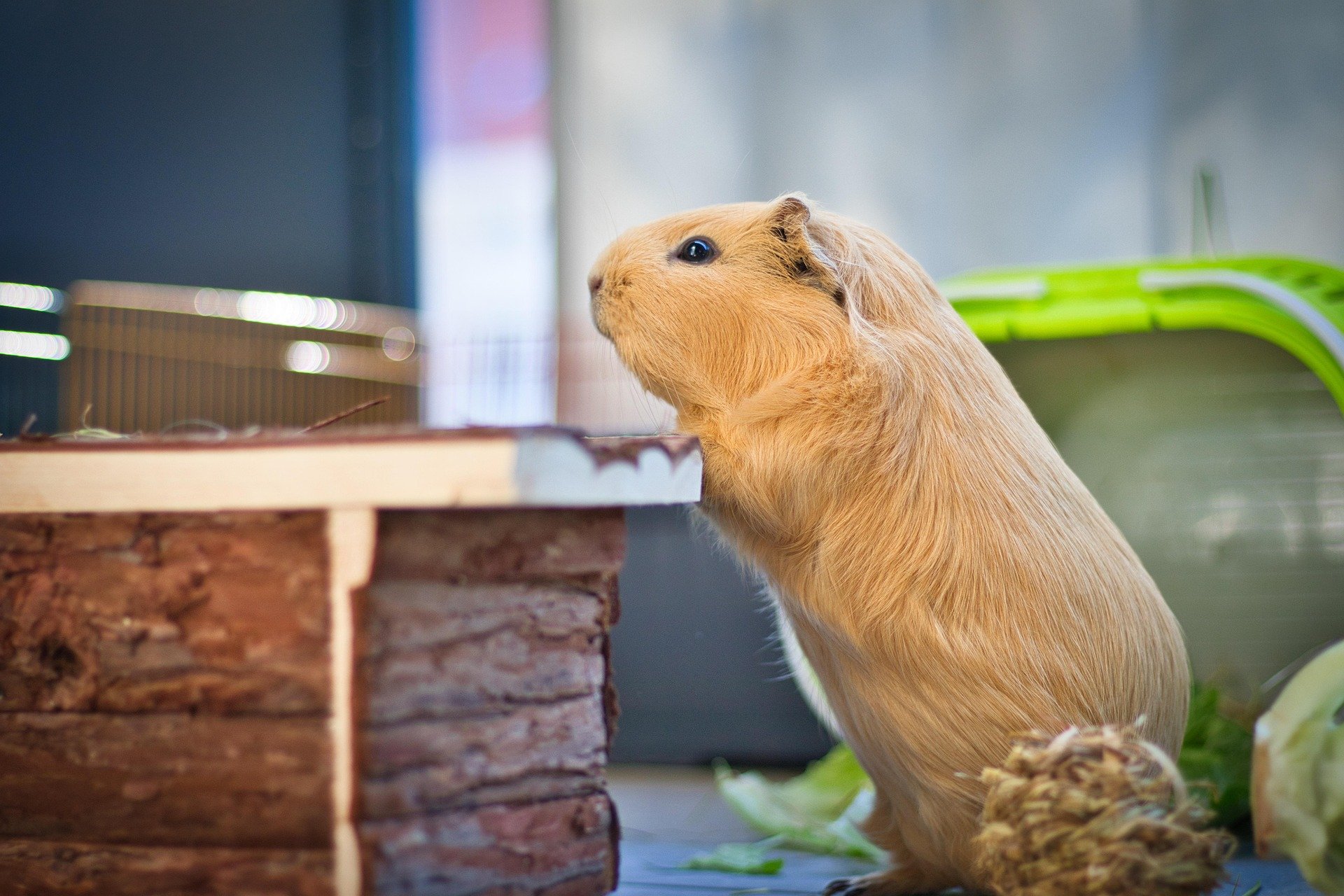
An enrichment guide for Player rabbits, guinea pigs, and chinchillas in Madison, Fitchburg, Middleton & Verona
If your rabbit launches into a joyful binky mid-hop, your guinea pig popcorns across the floor during playtime, or your chinchilla springs between shelves with quick, spinning bursts of energy, you might be caring for a Player.
Player-type small animals are the spirited athletes of the small pet world. Their play is driven by movement, excitement, and short bursts of energy, and because rabbits, guinea pigs, and chinchillas are all prey species, that play means something important: it only happens when an animal feels safe. A popcorning guinea pig or a binkying rabbit isn't just having fun. They're showing you, in real time, that their environment feels secure enough to let their guard down.
Player-type small animals don't need chaos or constant activity. They need short, structured, species-appropriate opportunities to move, safely, and on their own terms. When that need is met, play becomes one of the clearest, cutest signals of genuine well-being.
If your pet took the Sploot Enrichment Quiz and landed as a Player, this guide is for them.
Is This Your Pet?
Player-type small animals express joy through movement. A few shared signs across species: sudden bursts of energy, like sprints, spins, hops, or jumps. Play invitations, such as nudging objects, pushing toys, or circling your feet. Happy vocalizations, including soft wheeks from guinea pigs, gentle grunts from rabbits, or chirps from chinchillas. Bright eyes, upright posture, and quick, responsive body language overall.
Species-specific tells are worth knowing, too. Rabbits performing big, dramatic binkies (a joyful leap with a mid-air twist) or tossing small toys are clearly Player rabbits, often "performing" when excited. Guinea pigs who popcorn, even in short bursts, are showing you they feel safe in that moment, since popcorning essentially doesn't happen when a guinea pig is stressed. Chinchillas doing springy hop-jumps between shelves or spinning "joy jumps" are expressing the same thing in their own quick, agile way.
One thing worth understanding: Player-type small animals aren't "hyper." Movement is how they express emotional fulfillment, the small-animal equivalent of a wagging tail or a contented purr.
Why Play Is a Wellbeing Indicator
Play is one of the most reliable signs of positive welfare in animals generally, and that's especially true for prey species, where play essentially switches off the moment an animal feels unsafe. A guinea pig mid-popcorn, a rabbit mid-binky, or a chinchilla mid-spin is an animal whose nervous system has decided, in that moment, that everything is fine.
A 2024 survey of guinea pig caretakers found that signs of good welfare, including eating and resting peacefully alongside other guinea pigs and play behaviors like popcorning, were common, and that these behaviors were significantly more frequent when caretakers provided food enrichment and interacted positively with their animals. In other words, play wasn't just present or absent at random. It responded directly to the kind of environment and interaction caretakers provided.
From a Fear Free perspective, the goal with Player-type small animals isn't to generate more play through excitement or chasing. It's to create the conditions, safety, predictability, and gentle positive interaction, where play happens because the animal wants it to. Letting them choose whether to play or rest, keeping sessions short and predictable, and never chasing or pressuring movement are what keep play in the "joy" category rather than tipping it toward fear-driven fleeing.
Setting Up Your Home for a Player
Each species expresses play differently, so their environments need slightly different setups to support it safely.
Rabbits do best with open "runway" space for zoomies, soft landings like rugs or mats to protect their joints, and low platforms rather than tall jumps that risk spinal injury. Lightweight tossing toys, like willow balls or baby keys, give them something to nudge and play with during bursts of energy.
Guinea pigs are ground-oriented and need wide tunnels for fast dashes, soft bedding that encourages popcorning, and multiple hides nearby in case excitement tips toward nervous energy. Avoid high platforms and sudden layout changes, both of which work against the sense of safety that play depends on.
Chinchillas need a cool environment, ideally below 70°F, with stable, non-slip shelves at low to moderate heights and safe landings for their quick hops. Heat is the biggest risk factor for chinchilla play. Even joyful activity should be limited if the room is warm.
8 Enrichment Ideas Player Small Animals Love
Runway zoomie lane. A straight or curved pathway of mats or fleece gives Player pets a safe space for rapid movement. For rabbits, ten to fifteen feet on a rug-covered surface works well to prevent slipping. Guinea pigs do better with shorter, wide lanes that have open exits. For chinchillas, keep the space cool and free of obstacles.
Tunnel dash play. Two or three connected tunnels encourage fast, joyful runs, since prey species generally feel safer moving through covered spaces. Rabbits need long tunnels with multiple exits to avoid feeling trapped. Guinea pigs need wide, low tunnels only. For chinchillas, choose lightweight, dust-safe materials.
Soft toss toys. Lightweight items your pet can nudge, push, or toss encourage playful manipulation. Rabbits often enjoy willow balls or small rattles. Guinea pigs do best with soft fleece toys rather than hard plastic. Chinchillas can have hard, chew-safe wood pieces that are still light enough to nudge.
Popcorn and bounce zone. A soft area with fleece or foam mats provides a safe jumping surface for all three species. For rabbits, it's a controlled space for binkies. For guinea pigs, the soft, secure texture genuinely encourages popcorning. For chinchillas, it offers grip for quick hop-jumps without slipping.
Lightweight ball chase. A soft or gently rattling ball invites nudging and batting. Rabbits tend to favor medium balls that they can push with their nose. Guinea pigs do best with tiny, slow-moving balls, since anything too fast can appear as a threat rather than a toy. For chinchillas, choose noise-free balls to avoid startling them.
Follow the treat movement game. Scatter small pieces of species-safe food in a short trail so movement becomes purposeful as well as playful. Rabbits can follow pellets or dried herbs, guinea pigs small veggie pieces, and chinchillas a few bits of hay, since treats should stay minimal for these species.
Fleece strip teaser. A fleece strip dragged slowly can encourage gentle chase or pounce-like behavior. The keyword is slowly. Fast movement reads as predatory to prey species and causes fear rather than play. For chinchillas, avoid any fabric that could be chewed or swallowed.
The joy loop routine. Combine two or three activities into a short, predictable sequence, for example, a tunnel dash, then a ball chase, then a treat trail. Predictable play patterns like this help regulate excitement levels. For rabbits, doing this before meals can also reduce food-guarding behaviors. Keep loops brief for guinea pigs and chinchillas, with hides nearby and cool temperatures maintained throughout.
How Sploot Pet Concierge Supports Player Small Animals
Our in-home small animal sitting visits for Player-type pets are built around safe, joyful movement, never chasing or startling, always optional. For rabbits, that might mean zoomie-safe flooring and lightweight toss toys. For guinea pigs, wide tunnel dashes and fleece play areas that encourage popcorning. For chinchillas, cool, stable, low-shelf hop play kept to short sessions. We serve Player-type small animals across Fitchburg, Madison, Middleton, and Verona, and we pair each pet with a small, consistent caregiver team who learns their individual play style and comfort level.
Our Fear Free Certified approach means play is always guided by your pet's body language. We never chase, rush, or push past what an animal is comfortable with, because for prey species, the safest play is also the most genuine.
Ready to Support That Playful Spirit?
Player-type small animals remind us that joy can look like a popcorn jump, a binky, or a quick spin between shelves, and that those moments of pure movement are a real sign of a confident, well-supported animal. If you're ready to book Fear Free Certified care for your Player in Dane County, we'd love to meet them.
Also explore: The Sploot Enrichment Quiz | In-Home Small Animal Sitting | Small Animal Care
