
Explorer Small Animals: Why That New Box Is the Best Thing That's Happened All Week
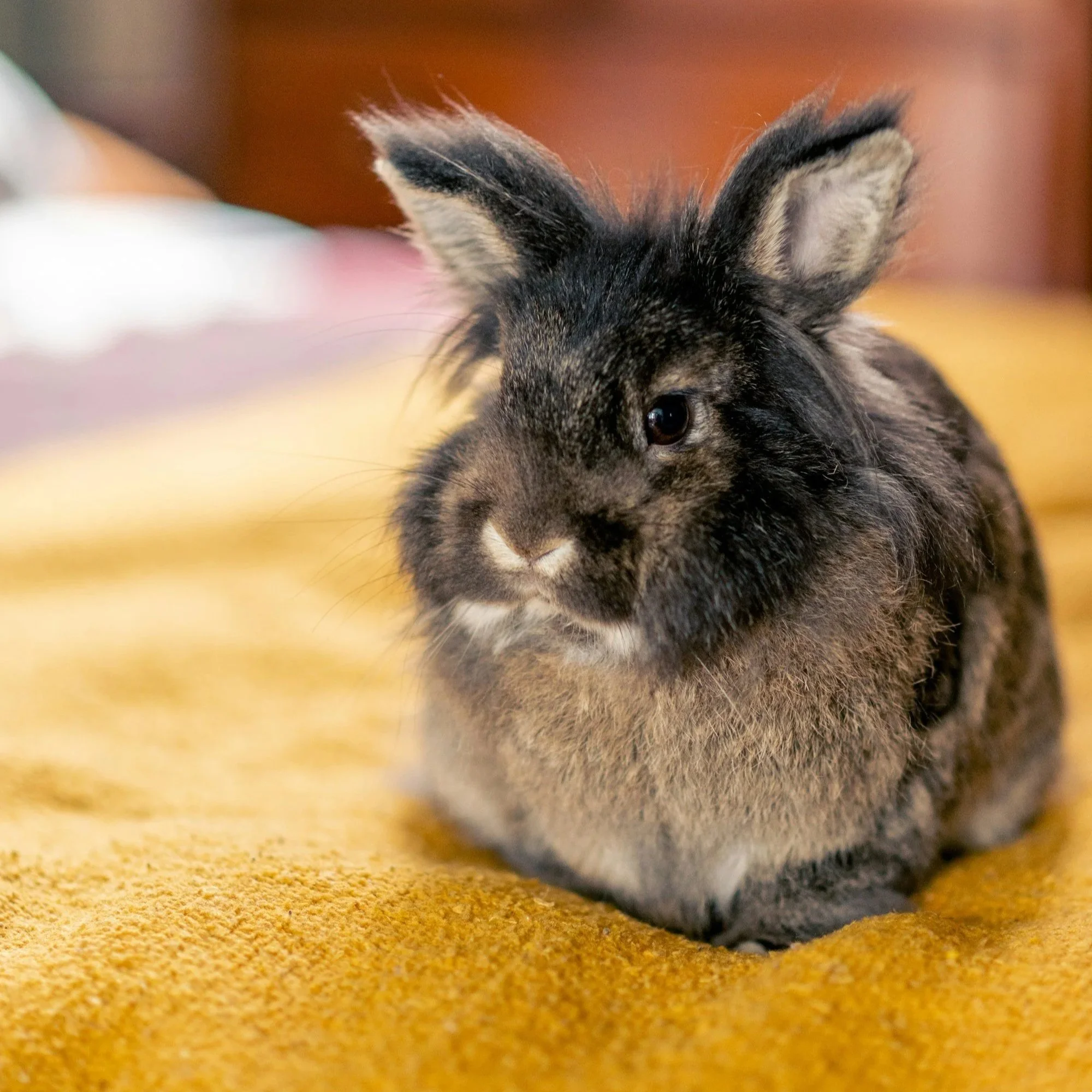
An enrichment guide for Explorer rabbits, guinea pigs, and chinchillas in Madison, Fitchburg, Middleton & Verona
If your rabbit noses every corner of the room before settling in, your guinea pig dashes confidently through tunnels to check on things, or your chinchilla hops from shelf to shelf surveying their territory like it's their job, you might be caring for an Explorer.
Explorer-type small animals are the curious, observant investigators of the small pet world. Their enrichment needs go well beyond toys and treats. As prey species, the ability to survey, sniff, and navigate their space is directly tied to how safe they feel, which means exploration isn't a fun extra. It's how rabbits, guinea pigs, and chinchillas regulate their nervous systems and build confidence in their environment.
Indoor life is the safest option for all three of these species, but indoor life needs to include choice-based exploration, or boredom and low-grade stress tend to fill the gap. The good news is that meeting this need doesn't require a lot of space or expensive setups. It requires a bit of intentional variety, offered in a way each animal can opt into.
If your pet took the Sploot Enrichment Quiz and landed as an Explorer, this guide is for them.
Is This Your Pet?
Explorer-type small animals share a few common threads, whether they're bold or a bit more cautious about it. They investigate new objects right away, sniffing, circling, and inspecting before doing anything else. They navigate tunnels, boxes, and hides with real enthusiasm rather than just sitting in them. They notice changes immediately, a rearranged hide or a new scent gets their full attention, and they often "patrol" familiar spots, revisiting areas as if checking that everything is still as it should be.
A few species-specific tells: rabbits may chin-rub (scent mark) new areas and pause to scan before hopping forward. Guinea pigs often follow nose-to-ground scent trails and popcorn with excitement when a layout changes. Chinchillas do quick, quiet vertical scanning, hopping shelf to shelf, and investigating new objects with whiskers and forepaws.
One thing worth keeping in mind: Explorer-type small animals aren't being mischievous when they investigate everything. They're doing exactly what prey species are wired to do. The goal isn't to limit that instinct, but to give it safe, structured places to go.
Why Exploration Is a Biological Need
For prey species, exploration isn't entertainment. It's how they gather the information that keeps them safe: where the exits are, what's changed, what's new, and whether anything seems different from yesterday. Reducing that uncertainty is, in itself, stress reduction.
The research backs this up. A study by Smith, Jones, and Garcia (2017) compared guinea pigs housed in standard cages to those in cages enriched with hiding spots, tunnels, and chew toys, and found that the enriched group showed lower stress levels, higher activity, and better overall welfare across behavioral and physiological measures, including cortisol. More broadly, environments that include tunnels, hides, varied textures, and rotating safe novelty are consistently associated with lower cortisol and more stable behavior in rabbits and other small mammals.
There's an important caveat, though, especially for guinea pigs: this species is notably neophobic, meaning genuinely fearful of novelty, and can stop eating in response to a new object or a dramatically rearranged space. For guinea pigs especially, it's often better to rearrange familiar items than to introduce brand-new ones, and to make any changes gradually.
From a Fear Free perspective, the underlying principle is the same across all three species: offer choice, never force. A confident Explorer feels secure enough to investigate. An overwhelmed one shuts down. The difference usually comes down to pacing.
Setting Up Your Home for an Explorer
Each of these species explores differently, so their environments benefit from slightly different setups, even though the underlying goal, safe novelty, is the same.
Rabbits do best with multiple tunnels or hides that have more than one entry and exit, since a dead-end can feel like a trap. Room-sized exploration time in a rabbit-proofed space, gentle low steps rather than tall platforms, and a rotation of boxes, mats, and chew items give rabbits the variety and the "escape routes" that help them feel confident.
Guinea pigs stay close to the ground in nature and do best with low, wide tunnels (never narrow or collapsible), multiple hide-to-hide routes, and forage scatter zones. Because of their neophobia, the most effective approach is often rearranging existing hides and pathways rather than constantly adding new objects.
Chinchillas need a cool, quiet environment, ideally below 75°F, with sturdy low-to-moderate shelves rather than tall jumps that risk their fragile limbs. A dig box and safe chew options give them outlets for natural exploration, and stable footing throughout prevents slips during their quick, agile movements.
8 Enrichment Ideas Explorer Small Animals Love
Tunnel exploration course. Set up two to four tunnels in different shapes, straight, curved, or intersecting, with a hide at each end. Rabbits do best with longer tunnels that have multiple exits. Guinea pigs need wide, low tunnels that won't collapse. For chinchillas, choose lightweight tunnels with solid footing, and avoid cardboard if humidity is an issue.
Box maze or hide village. Cut holes in several boxes and arrange them into a small connected village. For rabbits, make sure each box has more than one way in or out to prevent any sense of being trapped. Keep guinea pig setups single-level with wide doorways. For chinchillas, anchor everything so it can't shift during a hop.
Forage scatter trail. Scatter hay, pellets, or safe dried herbs along a short path or mat. Rabbits enjoy mixed hay textures for extra sensory variety. For guinea pigs, scatter in a familiar, predictable area rather than somewhere new. Chinchillas should get this mostly hay-based, with treats kept very minimal.
Rotating novelty item. Once a week, introduce one new item, a willow stick, a cardboard roll, a piece of safe foliage, into an existing space. For rabbits, skip anything noisy if they're easily startled. Guinea pigs generally do better with soft textures than crinkly ones. For chinchillas, avoid anything that holds moisture.
Forest floor sensory bin. A shallow bin of safe natural materials, like hay or untreated sticks, gives Explorer pets new textures and scents to investigate. Supervise rabbits, who may dig vigorously. Keep it very shallow for guinea pigs, who prefer sniffing to digging. For chinchillas, everything in the bin needs to be dust-free and completely dry.
Cardboard dig zone. Shredded paper, hay, or firm cardboard strips create a space for natural digging and nesting behavior. This is an excellent outlet for rabbits, especially. For guinea pigs, keep the depth minimal. For chinchillas, avoid loose, fluffy material that could be inhaled, and stick to firm strips.
Gentle obstacle setup. Low platforms, ramps, and step-ups create mild exploratory challenges. For rabbits, keep everything very low to protect their spine. Guinea pigs do best fully at ground level, with no inclines at all. Chinchillas can use low to moderate shelves with good grip, but should never be encouraged into high jumps.
Treat treasure hunt. Hide tiny treat pieces around a familiar, safe area to activate scanning and searching behavior. Portions should be small across the board: a few pellet or herb pieces for rabbits, small veggie bits for guinea pigs, and just one or two raisin-sized safe treats for chinchillas, who need treats kept to a minimum.
How Sploot Pet Concierge Supports Explorer Small Animals
Our in-home small animal sitting visits are built around safe, choice-based exploration tailored to each species. For rabbits, that might mean multi-exit tunnel setups and supervised room time. For guinea pigs, it's predictable hide networks and low, wide pathways. For chinchillas, it's cool, stable, dust-safe spaces with sturdy vertical options. We serve Explorer-type small animals across Fitchburg, Madison, Middleton, and Verona, and we pair each pet with a small, consistent caregiver team who learns their individual pace and comfort level.
Our Fear Free Certified approach means we never force interaction or movement. We watch body language, honor every retreat, and introduce any change slowly enough that your pet's nervous system stays in a confident, curious place rather than an overwhelmed one.
Ready to Support That Curiosity?
Explorer-type rabbits, guinea pigs, and chinchillas remind us that even small changes, a new tunnel shape, a rearranged hide, a fresh scent, can be genuinely exciting when an animal feels safe enough to investigate them. If you're ready to book Fear Free Certified care for your Explorer in Dane County, we'd love to meet them.
Also explore: The Sploot Enrichment Quiz | In-Home Small Animal Sitting | Small Animal Care
