
Companion Small Animals: Quiet Presence Is the Whole Point
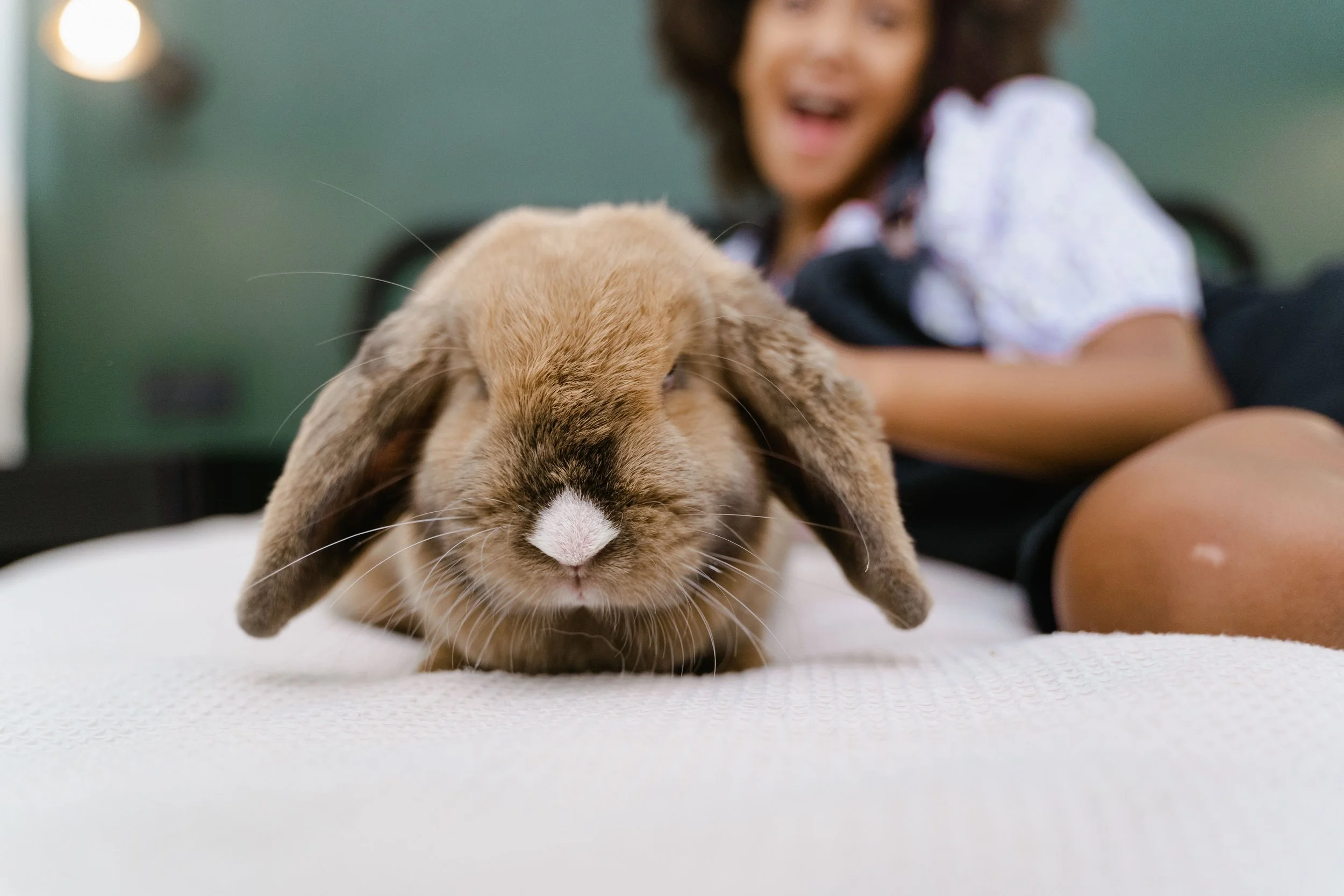
An enrichment guide for Companion rabbits, guinea pigs, and chinchillas in Madison, Fitchburg, Middleton & Verona
If your rabbit flops down and relaxes the moment you sit beside them, your guinea pig wheeks softly the second you walk into the room, or your chinchilla settles calmly on a shelf near you without needing to be touched, you might be caring for a Companion.
Companion-type small animals aren't necessarily the cuddliest in a traditional sense. They're emotionally attuned. They thrive on proximity, gentle interaction, and predictable routines, and because rabbits, guinea pigs, and chinchillas are all prey species, that emotional security isn't a nice extra. It's tied directly to how well they eat, groom, rest, and move through their day. Feeling connected to you, in whatever quiet way that looks like for your particular pet, genuinely lowers their baseline stress.
Enrichment for Companion-type small animals isn't about action. It's about connection, predictability, and low-intensity activities that let them feel safe and understood, without tipping into the kind of overdependence that can come with too much attention and not enough independence.
If your pet took the Sploot Enrichment Quiz and landed as a Companion, this guide is for them.
Is This Your Pet?
Companion-type small animals show affection quietly and consistently. A few shared signs across species: they prefer to rest near you, not necessarily on you, and that choice of proximity is itself a meaningful attachment signal. They show calm, relaxed body language when you're present, things like soft grooming or easy foraging. They follow you within their safe zone, moving from a hide toward the edge of their pen to stay close. They offer soft vocalizations when you arrive, and they seem more confident overall when you're around, more willing to explore, eat, or stretch out fully.
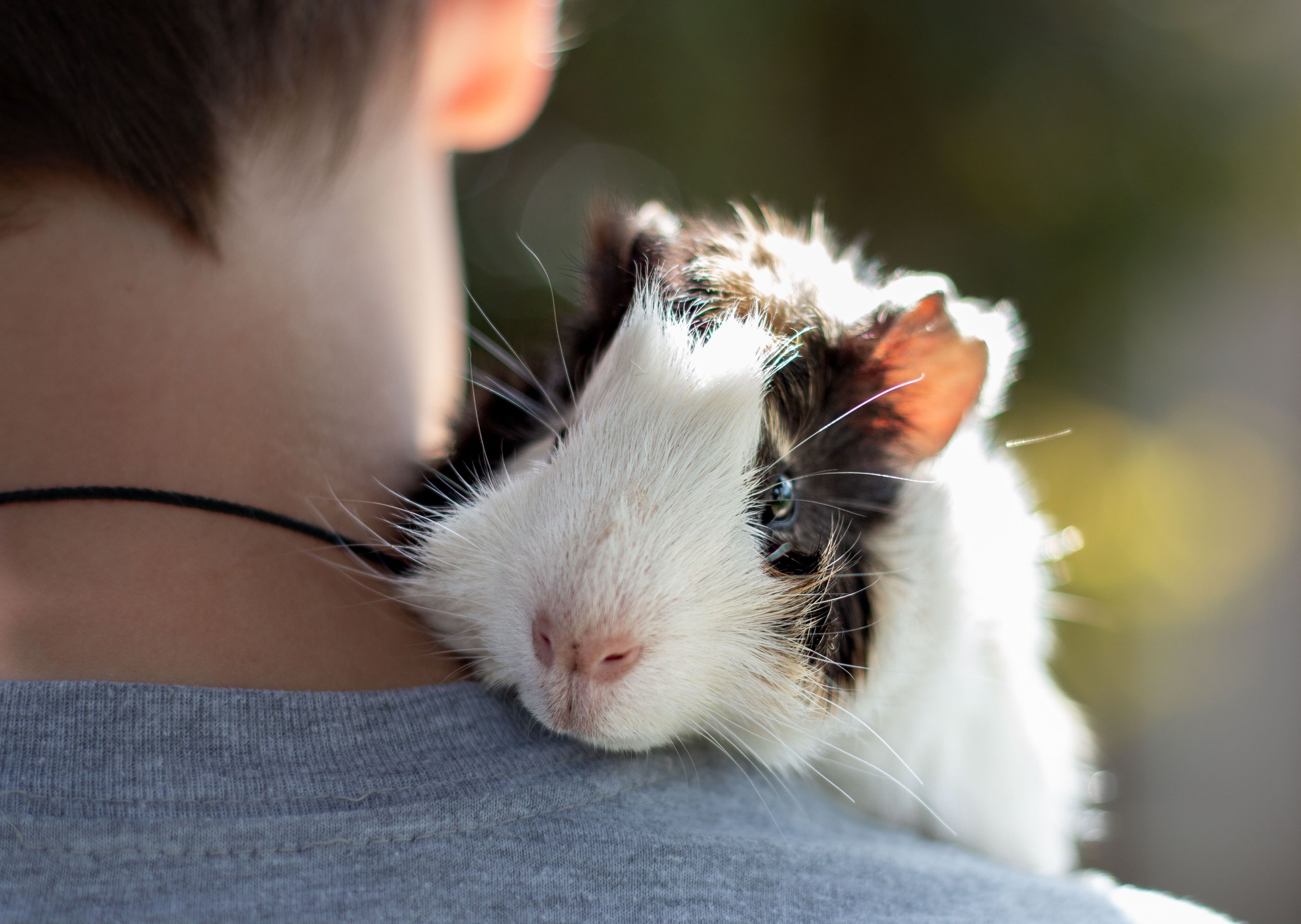
Species-specific tells matter here too. Rabbits might nudge you softly for attention, flop or loaf beside you, or even "chin mark" your belongings as a sign of bonding. Guinea pigs often wheek, chirp, or purr in response to your voice, settle near your feet, and lean into gentle pets when they choose to. Chinchillas tend to show comfort through stillness rather than activity, sitting calmly beside you on a shelf or cushion without bolting.
One important distinction: Companion-type small animals don't need loud affection. They need quiet presence and consistent love. And there's a real difference between healthy bonding and overdependence. Healthy bonding looks like choosing closeness sometimes and resting independently at other times. Overdependence looks like distress when routines shift, reduced appetite without you nearby, or excessive hiding. If that second pattern sounds familiar, the answer isn't less connection. It's enrichment that builds a bit more independence alongside it, something we'll come back to.
Why Connection Is Enrichment
Even though rabbits, guinea pigs, and chinchillas are prey species, they're also deeply social animals whose nervous systems are shaped by safe relationships. For guinea pigs specifically, the research is unambiguous on this point: the most important environmental enrichment for guinea pigs is being part of a social group, and guidance from laboratory animal welfare organizations recommends that, without exceptional justification, guinea pigs should not be housed alone. Social connection isn't a bonus for this species. It's foundational.
Choice matters just as much as connection itself. A study on guinea pig behavior during human interaction found that the animals showed more exploratory behavior and more movement when they had the option to retreat, compared to settings without that option. Retreat possibility, in other words, didn't reduce engagement. It increased it, because knowing you can leave makes it safer to stay.
From a Fear Free perspective, this is the whole principle for Companion-type small animals: social enrichment should be choice-based, quiet, predictable, and respectful of boundaries. These animals aren't asking for more attention. They're asking for reliable, calm, emotionally safe connection, on their terms.
Setting Up Your Home for a Companion
Each species expresses the need for connection a little differently, so their environments benefit from setups that allow closeness without pressure.
Rabbits do well with low platforms or soft rugs near where you spend time, giving them a comfortable spot to flop or loaf nearby. Quiet, predictable routines matter a great deal, and easy access to gentle grooming moments helps reinforce the bond on their terms.
Guinea pigs benefit from pen setups located near where your household naturally gathers, with tunnel routes that lead toward your usual spot. Soft, safe fleece areas where they can rest near you, combined with multiple hides nearby, let them choose closeness without giving up their sense of security.
Chinchillas do best with cool, quiet "cuddle corners," stable shelves positioned close to where you typically sit, and a generally low-pressure presence. For this species especially, proximity without handling is often the most meaningful form of connection.
Across all three, the goal is the same: give your pet the option to be near you, and let them decide how often and how closely.
8 Enrichment Ideas Companion Small Animals Love
Quiet side-by-side time. Simply sit near your pet's enclosure or on the floor while they rest or forage at their own pace, with no expectation of interaction. Rabbits often flop or loaf beside you when they're comfortable. Guinea pigs may stay partly in a hide but peek out to keep you in view. Chinchillas tend to value the presence itself, even if they don't seek touch.
Gentle hand-feeding ritual. Offer small, species-safe herbs, pellets, or veggie pieces from your hand during calm moments. This pairs your presence with something genuinely positive. For rabbits, this is especially effective for building trust with shy individuals. Guinea pigs do well with small veggie "chips," like a thin slice of bell pepper or carrot. For chinchillas, keep this to hay pieces or very minimal treats.
Cooperative grooming. Offer a soft brush or gentle forehead strokes and let your pet choose to lean in. Many rabbits genuinely love cheek and forehead brushing. For guinea pigs, keep sessions short to avoid overstimulation. Chinchillas should get very light touch only, since this species generally prefers not to be overhandled.
Near-lap time. Allow your pet to rest near, rather than necessarily on, your lap using a cushion, fleece, or a small hide. Rabbits often prefer resting beside your lap rather than on it. Some guinea pigs enjoy structured lap time on fleece. Chinchillas frequently choose to sit near your lap without climbing onto it, and that's a completely genuine form of closeness for this species.
Soft voice bonding. Spend a few minutes speaking to your pet in a calm, gentle tone. This helps prey species learn to recognize you as safe and predictable over time. Rabbits often respond to soft humming or quiet speech. Guinea pigs may wheek, rumble, or purr back. Chinchillas tend to startle less over time when spoken to softly and consistently.
Slow target training. Teach your pet to touch their nose to your hand or a soft target stick, rewarding each small success. Rabbits often pick this up quickly and enjoy the gentle structure. For guinea pigs, keep sessions very short with frequent rewards. Chinchillas do best with slow-paced, predictable sessions where nothing changes too quickly.
Cozy spot training. Place a small blanket, mat, or low platform near you and reward calm settling there. This builds the skill of choosing proximity without needing constant contact. Rabbits often adopt this spot as a genuine safe zone. For guinea pigs, a hide placed on the mat works well. Chinchillas do better with a low, stable platform than soft fabric.
Predictable connection ritual. Build a small daily routine, a morning greeting, an evening treat, or a calm bedtime moment, that happens at roughly the same time each day. Rabbits tend to appreciate predictable touch paired with feeding time. Guinea pigs often respond enthusiastically to routine-based veggie time. Chinchillas thrive most on the consistency of timing itself, more than on what specifically happens.
How Sploot Pet Concierge Supports Companion Small Animals
Our in-home small animal sitting visits for Companion-type pets are built around calm, predictable connection rather than constant interaction. For rabbits, that might mean quiet mat time and gentle cheek grooming. For guinea pigs, soft lap-time setups and calm, routine-based veggie hand-feeding. For chinchillas, low-pressure presence and consistent timing that helps maintain their sense of stability. We serve Companion-type small animals across Fitchburg, Madison, Middleton, and Verona, and we pair each pet with a small, consistent caregiver team who learns the specific rituals and pacing that help them feel secure.
Our Fear Free Certified approach means every interaction is choice-based. We never pick up or handle a pet without offering the choice first, and we always provide retreat options nearby, because for these species, knowing they can leave is often what makes it feel safe to stay close.
Ready to Nurture That Connection?
Companion-type small animals remind us that enrichment doesn't always need to be active to be meaningful. A quiet moment nearby, a soft voice, a predictable routine, these can do more for a prey animal's sense of safety than almost anything else. If you're ready to book Fear Free Certified care for your Companion in Dane County, we'd love to meet them.
Also explore: The Sploot Enrichment Quiz | In-Home Small Animal Sitting | Small Animal Care
