
Creating a Cat-Friendly Home: 10 Essential Tips for a Happy and Healthy Feline
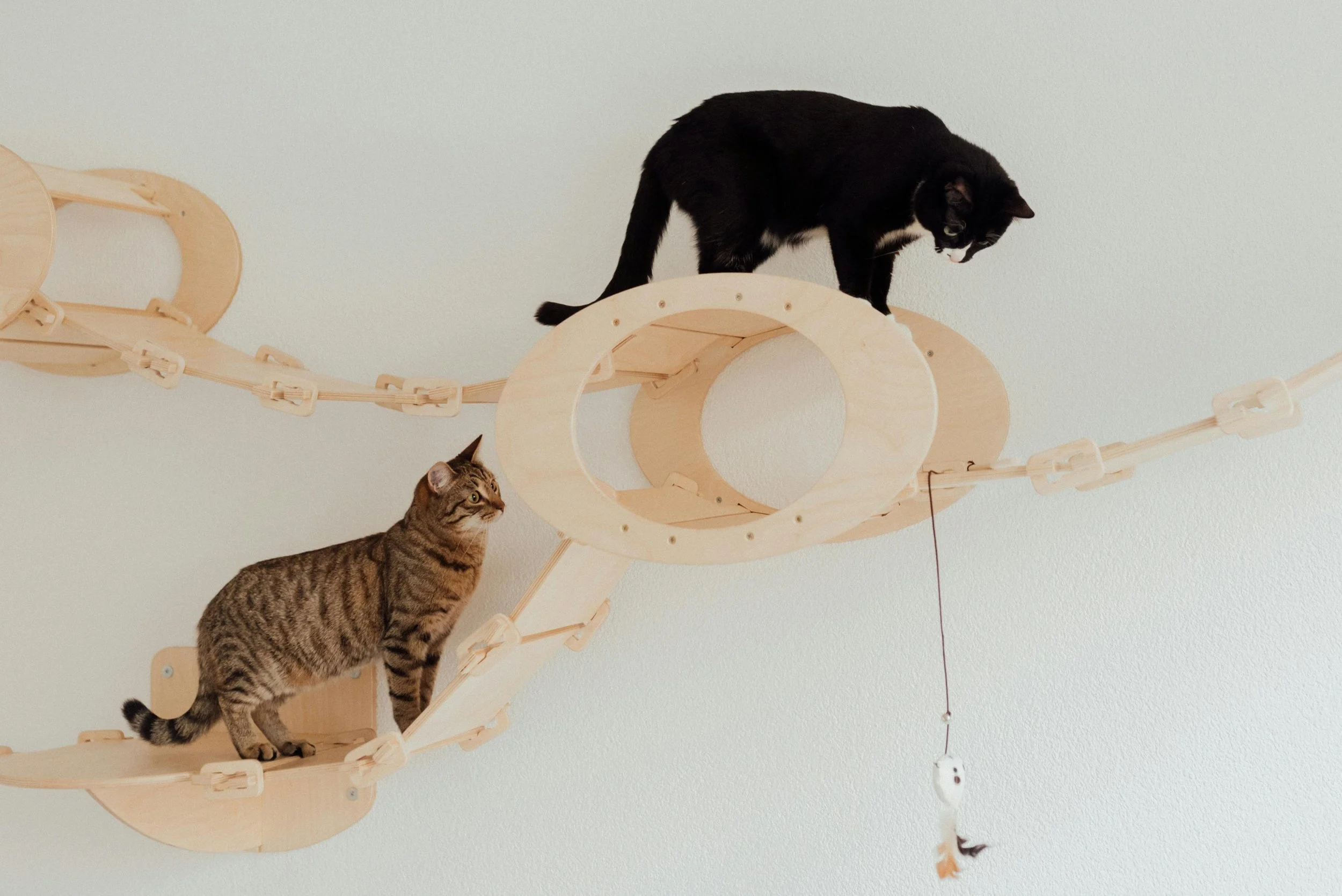
Cats don't ask for much, but what they do ask for, they mean. A little vertical territory. A safe place to disappear when the world feels like too much. Something to sink their claws into that isn't your couch. Give a cat these basics, and you'll see it: the slow blink, the confident strut, the full-body flop in a sunbeam that says I live here, and I love it here.
At Sploot Pet Concierge, we believe enrichment isn't extra — it's essential. These ten tips are the foundation we bring into every in-home cat care visit we do around Fitchburg, Madison, Middleton, Verona, and Waunakee. Here's how to build that same foundation at home.
Tip 1: Provide Plenty of Vertical Space
Cats don't just live in your home — they survey it. Shelves, cat trees, and clear paths to a high perch give your cat a sense of security that ground-level living can't match. Height is safety, and safety is where confidence starts
Cat trees come in every size and design, offering multiple levels for climbing, lounging, and playing — but whatever you choose, make sure it's stable and securely anchored. A wobbly perch undoes the confidence it's supposed to build. Wall-mounted shelves are another great addition, turning a blank wall into a pathway your cat can actually explore.
Position at least one of these spots where your cat can see the room, or better yet, out a window. Watching birds, squirrels, and the general comings and goings of the neighborhood is genuine entertainment for a cat. A well-used vertical space does double duty: it enriches the environment and takes a real bite out of boredom and stress.
Tip 2: Create Cozy Hiding Spots
Cats seek out safe, secluded places where they can retreat and reset — especially during anything that feels stressful, or when they just want quiet. Cat tunnels, covered beds, and even a plain cardboard box all work. Tuck a few into quiet corners or under furniture, and let your cat choose which one fits their mood on a given day.
These spots matter most during change: guests in the house, renovations, a new pet. Having somewhere to disappear to takes real pressure off a cat's nervous system during exactly the moments it needs it most.
Supporting study: A randomized controlled trial by van der Leij, Selman, Vernooij, and Vinke (2019), published in PLOS ONE, found that shelter cats given a hiding box showed a significantly faster decline in stress behavior than cats without one — real evidence that a place to hide isn't a luxury, it's a need.

Tip 3: Invest in Quality Scratching Posts
Scratching isn't destructive — it's a cat doing exactly what a cat is built to do: stretching muscles, marking territory through scent glands in the paws, and shedding old claw sheaths. A good post (or a few) heads off the moment your couch becomes the substitute.
Offer some variety — sisal, carpet, and cardboard all appeal to different scratching preferences, and a horizontal pad is worth adding for cats who like to scratch low. Whatever you choose, make sure it's tall and sturdy enough for a full-body stretch. Placement matters too: cats often scratch right after waking up, so a post near a favorite nap spot gets used a lot more than one tucked out of the way.
Tip 4: Set Up a Window Perch
A window with a view turns into a full afternoon of entertainment — birds, squirrels, the occasional dramatic leaf. A window perch lets your cat watch it all from a safe, comfortable spot, satisfying real hunting instincts without any of the risk.
You've got options here: a padded perch designed to attach securely to a sill or frame, or simply a sturdy shelf or cat tree positioned near the glass. Either way, put it somewhere quiet — away from heavy foot traffic or loud noise that might startle your cat mid-nap — and ideally facing a garden, bird feeder, or anywhere with steady outdoor activity.

Add a window perch:
The enhance your cat's environment and also help reduce boredom and related behavioral issues.
Tip 5: Provide Interactive Toys and Puzzles
Mental stimulation matters as much as physical exercise. Feather wands, laser pointers, and toys that mimic prey movement all tap into the same stalk-chase-pounce sequence a cat is wired for — and regular play sessions do double duty, since they build the bond between you at the same time.
Puzzle feeders take this further, asking your cat to work a little for food or treats — anything from a simple design to a real challenge. Rotate what's available every so often so nothing goes stale, and don't overlook the free option: paper bags, cardboard boxes, and toilet paper rolls make perfectly good DIY enrichment.
Supporting study: Herron and Buffington's foundational 2010 piece on environmental enrichment for indoor cats (Compendium: Continuing Education for Veterinarians) frames this clinically, not just behaviorally — enrichment is one of the core "systems" that determines whether an indoor cat actually thrives, not an optional extra.
Tip 6: Ensure Clean and Accessible Litter Boxes
Cats are particular about their bathroom habits for good reason, and a dirty or poorly placed box is one of the most common causes of inappropriate elimination.
Cleanliness: scoop daily, and do a full litter change with a mild soap-and-water clean weekly. Cats notice smell far more than we do.
Location: somewhere quiet and private, away from high-traffic areas — a bathroom, laundry room, or tucked-away corner all work, as long as it's never blocked.
Quantity: one box per cat, plus one extra. Two cats means three boxes, full stop — it heads off territorial disputes before they start.
Size and type: bigger cats need bigger boxes, and covered vs. uncovered comes down to your individual cat's preference for privacy versus openness.
Supporting study: Rochlitz's 1999 housing recommendations (Journal of Feline Medicine and Surgery) name litter box cleanliness and accessibility as a genuine welfare need — not a chore to get to eventually, but something that affects both physical health and stress levels directly.
Tip 7: Offer a Variety of Sleeping Spots
Cats sleep up to 16 hours a day or more, and where they choose to do it shifts with mood, temperature, and time of day. Soft cushioned beds, enclosed cat caves, hammocks, padded mats — offer a few different types in quiet, low-traffic spots, and let your cat pick.
Vary the locations too, not just the bed type: some elevated, some tucked low and hidden. High spots offer a sense of security and a good vantage point; low, enclosed ones offer the opposite kind of comfort. Beds and blankets also work as "scent soakers" — cats are territorial, and a familiar scent spread across a favorite spot is genuinely comforting. Moving these around the house occasionally helps a cat feel at home in more than one place.
Temperature matters too: a warm bed or heated pad goes a long way in winter, and a cool, shaded spot matters just as much when it's hot.
Tip 8: Use Cat-Safe Plants
Live plants bring a home to life, and the right ones do the same for a cat's environment — as long as they're actually safe. Cat grass, catnip, spider plants, Boston ferns, and bamboo palms are all good, cat-safe choices that also give your cat something to nibble and explore.
Keep placement in mind: hanging baskets or wall-mounted planters keep plants both out of paw's reach and still visible, while floor-level plants should be stable enough not to tip. If you want to go further, a small dedicated cat garden. Mix safe plants with different textures and heights to make a genuinely enriching corner of the house.
Just as important: know what to avoid. Lilies, poinsettias, philodendrons, and several types of ivy are toxic to cats, and any of these already in your home should go somewhere fully inaccessible — or out entirely.
Tip 9: Maintain a Routine
Cats thrive on routine and can become stressed or anxious when their daily schedule is disrupted. Maintaining a consistent routine for feeding, playtime, and other activities helps create a stable and predictable environment for your cat, which is essential for their mental and emotional well-being.
Feeding Schedule: Feed your cat at the same times each day. Regular meal times help digestion and provide a sense of security and predictability. If you use an automatic feeder, set it to dispense food consistently to maintain this routine even when you’re not home.
Playtime: Allocate specific times for interactive play sessions with your cat. Use toys like feather wands, laser pointers, and balls to engage your cat in activities that mimic their natural hunting behaviors. Regular playtime helps keep your cat physically active and mentally stimulated, reducing the risk of behavioral problems caused by boredom.
Grooming and Attention: Incorporate regular grooming and cuddle times into your daily routine. Brushing your cat helps maintain their coat and also provides a bonding opportunity. Cats enjoy the attention and care they receive during these sessions which strengthens your relationship.
Litter Box Maintenance: Clean the litter box each day. This regular maintenance helps ensure that the box remains clean and inviting for your cat, reducing the likelihood of litter box avoidance.
Bedtime Routine: Establish a bedtime routine that signals your cat that it’s time to wind down. Try a final play session followed by a treat or a cuddle. A consistent bedtime routine can help your cat feel more settled and secure.
Handling Changes: When changes are unavoidable, try to introduce them gradually. Whether it’s a change in diet, a new pet, or a move to a new home, gradual introductions and maintaining as much of the existing routine as possible can help minimize stress for your cat.
Routines create help your cat feel secure and confident. A well-structured routine benefits your cat and makes managing your daily activities easier and more enjoyable.
Tip 10: Regularly Engage in Playtime
Play is connection as much as it is exercise. Regular sessions help prevent obesity, cut down on stress, and build the bond between you — all at once.
Rotate toys regularly so nothing goes stale, and lean on things that mimic real prey movement: feather wands, laser pointers, motorized toys. Aim for at least two 10–15 minute sessions a day, adjusted for your cat's age and energy. Keep it creative — crumpled paper, cardboard boxes, and paper bags make free, effective toys, and puzzle or treat-dispensing options add mental work on top of the physical kind.
Always supervise play, skip anything with small parts or strings that could be swallowed, and put toys away afterward. Done consistently, playtime is one of the simplest, highest-return things you can do for a cat's physical health, mental sharpness, and their relationship with you.

Rotate Toys:
Regular rotation keeps them interested and prevents your cat from becoming bored.
Creating a Cat-Friendly Haven
A cat-friendly home comes down to understanding what a cat actually needs and building toward it: vertical space, a place to hide, something real to scratch, a window to watch the world through. Add mental stimulation, a steady routine, and litter boxes that are actually pleasant to use, and you've covered the fundamentals. Safe plants and varied sleeping spots round out the comfort side, and regular playtime ties it all together — keeping your cat active, sharp, and closely bonded to you.
Start with even one or two of these changes, and you'll likely see the difference: a more relaxed, more affectionate, more at home cat.
Further Reading
If you want to go deeper on feline behavior and environment design, both of these are genuinely worth your time:
Catification: Designing a Happy and Stylish Home for Your Cat (and You!) by Jackson Galaxy and Kate Benjamin — practical, design-forward advice for building a cat-friendly space that doesn't sacrifice your own style.
Think Like a Cat: How to Raise a Well-Adjusted Cat—Not a Sour Puss by Pam Johnson-Bennett — a comprehensive look at feline behavior from one of the field's most established voices, covering everything from basic care to common behavior problems.
When you're away, your cat's routine doesn't have to pause. Sploot Pet Concierge brings this same enrichment-first, Fear Free Certified approach into every visit — play, feeding, litter box care, medication if needed, and quiet company for the ones who just want someone nearby. Learn more about our in-home cat care →
