
Companion Dogs: Following You Everywhere Isn't Clingy, It's How They're Wired
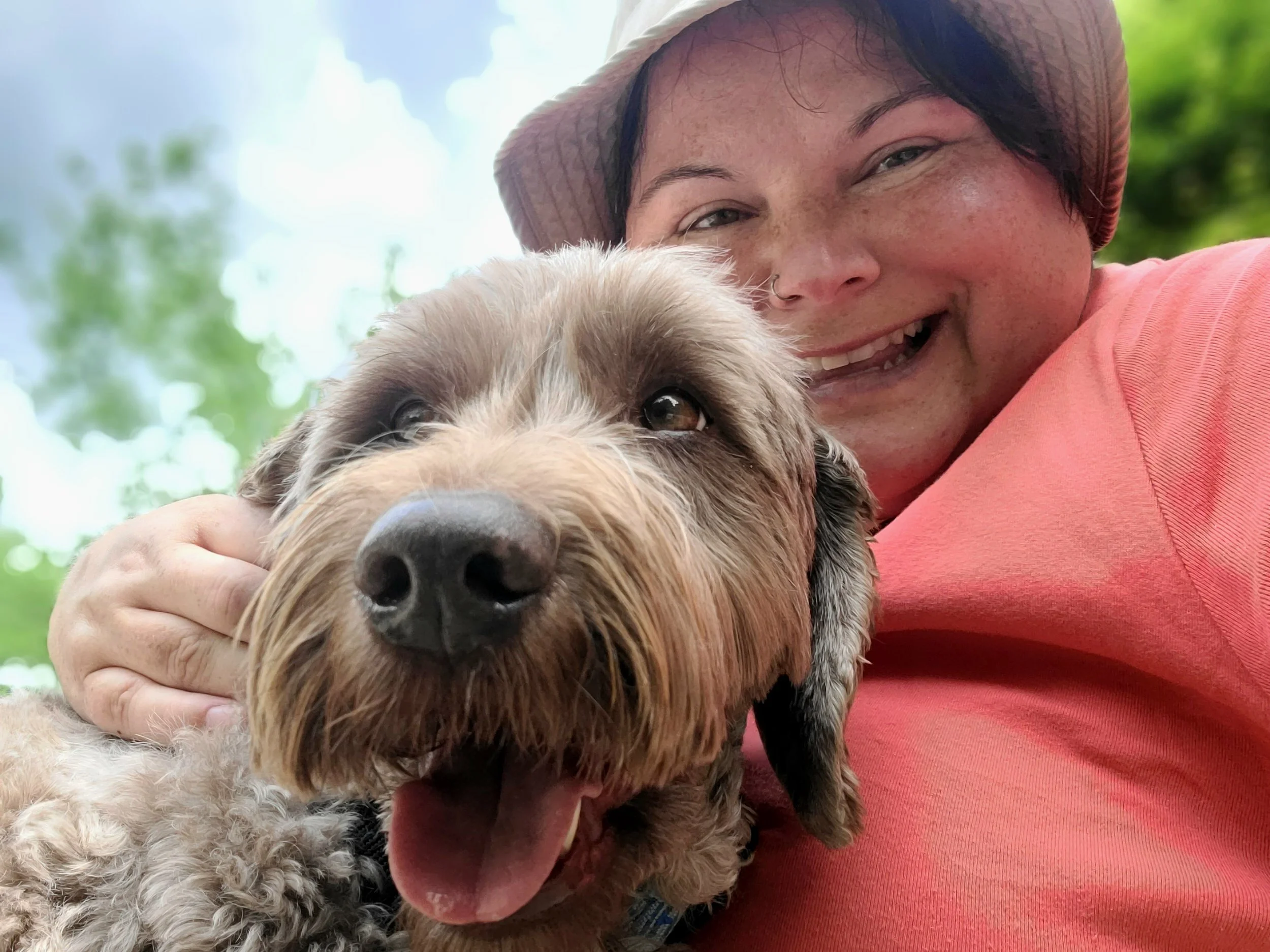
An enrichment guide for Companion dogs in Madison, Fitchburg, Middleton & Verona
If your dog has mastered the art of being in whatever room you're currently in, materializing silently at your side during morning coffee, trotting faithfully to the kitchen and back again, pausing on walks at Picnic Point just to look up at you with the softest eyes, you might be sharing your life with a Companion.
Companion dogs are the heart-forward pups of the canine world. They're affectionate, people-oriented, and happiest when they're near their favorite humans. Where Explorers follow their nose and Players follow motion, Companion dogs follow you. That devotion isn't a training problem or a personality flaw. It's a biologically wired need for connection, and when it's met thoughtfully, it becomes one of the most beautiful qualities a dog can have.
What Companion dogs need most isn't high-energy play or miles logged on a trail. It's meaningful engagement: shared experiences, gentle cooperation, predictable routines, and activities that make them feel genuinely understood. Enrichment for this type is less about burning energy and more about building the secure emotional foundation that lets them thrive, both when you're right beside them and when you're not.
If your dog took the Sploot Enrichment Quiz and landed as a Companion, this guide is for them.
Is This Your Dog?
Companion dogs wear their hearts openly. A few signs you're raising one: they shadow you through the house without urgency, not anxious, just close. They lean against you during walks, offer quiet paw taps, and rest their chin on your knee during TV time. They respond to your tone of voice more readily than most dogs, reading your mood before you've said a word. They prefer games where you're involved over solo toy play, and they settle fastest when you're nearby.
One thing worth holding gently: there's a meaningful difference between a Companion dog's healthy desire for closeness and separation anxiety. Not all Companion dogs struggle when left alone. Many are perfectly secure, just deeply social. But some do experience real distress during separations, and if that sounds familiar, it's worth addressing directly rather than managing around. A Fear Free Certified approach and thoughtful enrichment can build the kind of emotional resilience that makes alone time feel safe, not scary, and that's a much kinder outcome than simply tolerating it.
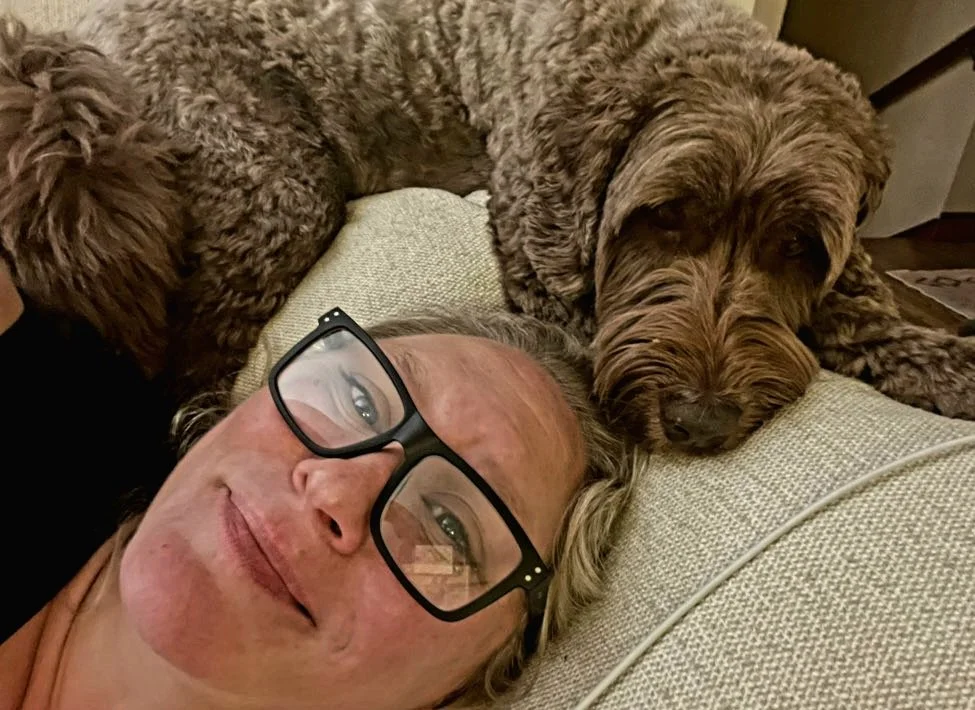
Why Connection Is Enrichment
The bond between a Companion dog and their person isn't just emotionally meaningful. It's physiologically real. Research published in Science (Nagasawa et al., 2015) found that mutual gaze between dogs and their owners triggers oxytocin release in both species. The same hormone associated with human parent-infant bonding flows between a dog and their person during a long, soft look at each other. For Companion dogs, who seek that gaze out naturally and often, this means that simply being present with your dog, really present, making eye contact, speaking softly, is genuinely enriching in ways that go beyond what any puzzle feeder can replicate.
Cooperative activities build on this foundation. Working together on simple tasks, like hand targeting, puzzle-solving side by side, or calm training games, helps Companion dogs develop emotional stability, a sense of partnership, and the confidence that comes from feeling understood. These dogs feel safest when they feel in sync with their humans, and structured connection creates that feeling more reliably than unstructured closeness.
From a Fear Free perspective, what matters is that enrichment for Companion dogs includes both connection and gentle independence practice. Choice-led whenever possible — they can choose to engage, rest nearby, or settle on their own — builds the secure attachment that lets them be okay when you're not in the room.
Best Spots for Companion Dogs in Dane County
Companion dogs thrive in calm, predictable environments where the pace suits quiet closeness. Dane County has several spots that are especially well-suited for this type.
Pheasant Branch Conservancy (Middleton) is ideal for what we call shadow walks: moving slowly together, your dog at your side, matching your pace and checking in regularly. The soft trails and open skies here create a low-stimulation sensory environment that Companion dogs find genuinely settling.
Picnic Point (Madison) offers a rhythmic, grounded shoreline trail that feels almost meditative for dogs and people alike. The wooded path, lake breezes, and predictable route make it a natural fit for Companion dogs who thrive on routine and calm.
McKee Farms Park (Fitchburg) has wide, open paths and steady but manageable foot traffic, good for gentle training walks, connection check-ins, and cooperative games without overwhelming sensory input.
Hoyt Park (Madison) deserves a special mention for Companion dogs. Its shaded wooded trails, quiet atmosphere, and cozy "pause spots," including stone structures, forested corners, and soft bench areas, make it one of the best parks in the county for slow, connection-focused time together.
Badger Prairie County Park (Verona) offers long, gentle trails with plenty of room for your dog to trot beside you, practice calm recall, and enjoy social exposure with comfortable space to retreat if needed.
8 Enrichment Ideas Companion Dogs Love
Hand targeting ("Touch"). Teach your dog to tap their nose to your open palm on cue. It's simple, cooperative, and gives Companion dogs a predictable shared language they find deeply satisfying. It's also one of the best confidence-builders available for shyer dogs: low pressure, high reward, and completely choice-based.
Shadow walks. Walk slowly with your dog at your side, changing pace and direction gently. Let them mirror you. The point isn't distance or cardio. It's synchronized movement and the quiet communication that comes with it. Pheasant Branch and Hoyt Park are perfect for this.
Cooperative puzzle solving. Instead of setting a puzzle toy down and stepping away, work through it together. Ask questions in a playful voice, point at different sections, celebrate each discovery as a team effort. Companion dogs bloom when problem-solving is a shared activity rather than a solo one.
Snuggle → treat → snuggle cycles. Give a calm cuddle, offer a small treat, return to gentle contact. Repeat a few times. This reinforces relaxed touch, pairs closeness with good feelings, and is quietly wonderful for nervous Companion dogs who need physical reassurance alongside positive reinforcement.
Mat training with connection cues. Teach your dog to relax on a designated settle mat, with intermittent soft petting and calm praise for staying. This is one of the most important enrichment investments for Companion dogs. It builds the skill of being calm and settled near you rather than on you, which supports healthy independence without sacrificing connection.
"Find your person" hide and seek. Have a family member hide and call your dog with an enthusiastic voice. Companion dogs love the social dimension of this game. It's movement, bonding, and a mini confidence challenge all at once, and it naturally strengthens recall in the most joyful way possible.
Grooming ritual with consent. Offer your hand, let your dog choose to lean in, and begin gently. Pause, offer again, continue. This consent-based approach to brushing or handling transforms a routine task into a trust-building ritual that Companion dogs look forward to rather than tolerate.
Decompression cuddle den. A quiet, soft corner with blankets and your scent nearby, a place your dog can retreat to and self-soothe. Spending a few minutes there together, doing nothing in particular, gives Companion dogs a place they associate with safety and calm. Over time, it becomes somewhere they choose independently, which is the whole goal.
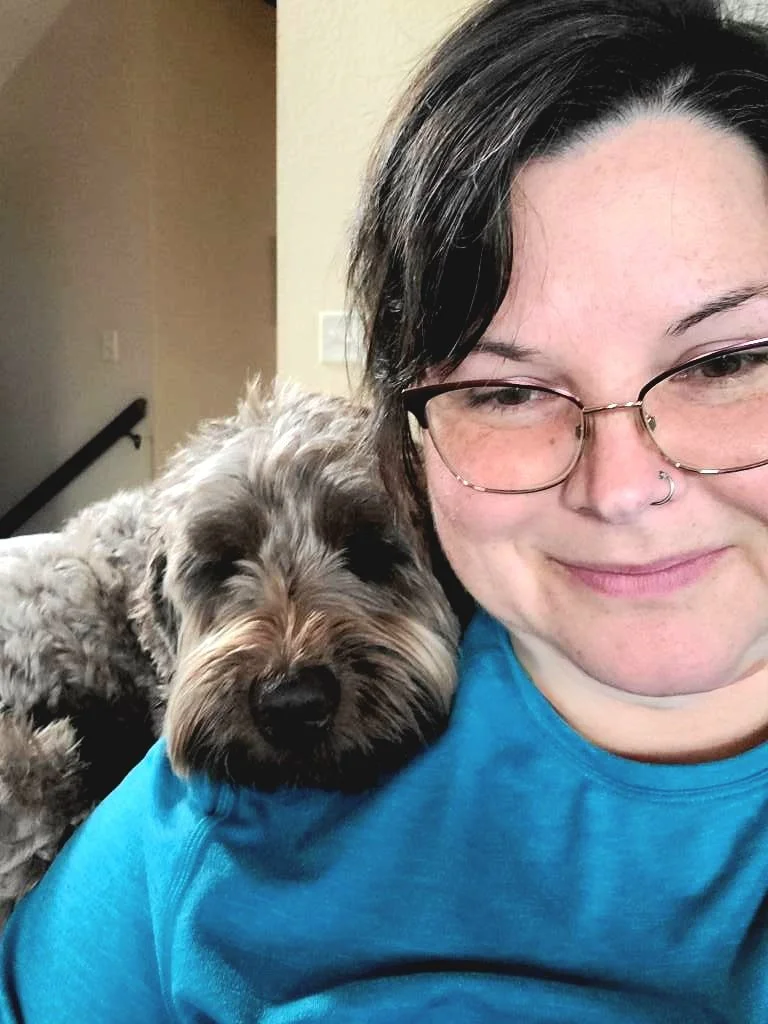
Sometimes, pet sitting is a snuggle fest.
How Sploot Pet Concierge Supports Companion Dogs
Our Enrichment Walks are paced for connection, not cardio. For Companion dogs, that means shadow walking, gentle check-ins, predictable routes, and a caregiver who doesn't rush a dog who stops to look up at them. We serve Companion dogs across Fitchburg, Madison, Middleton, and Verona, pairing each dog with a small, consistent caregiver team who gets to know them, not a rotating cast of strangers.
For dogs who need more structured support, our in-home pet sitting visits include cooperative enrichment games, calm handling, and the kind of gentle presence that Companion dogs regulate best with. And for dogs who experience real distress when left alone, our Fear Free Certified approach and private training options work on building emotional resilience gradually and compassionately, because forcing independence doesn't create it, but earning trust does.
Ready to Support Your Companion?
Companion dogs remind us that presence is its own kind of enrichment. It is that a slow walk, a shared look, and a few minutes of genuine attention can do more for a dog's wellbeing than any amount of structured activity. If you're ready to book Fear Free Certified care for your Companion in Dane County, we'd love to meet them.
Also explore: The Sploot Enrichment Quiz | Enrichment Walks | In-Home Pet Sitting | Private Dog Training
